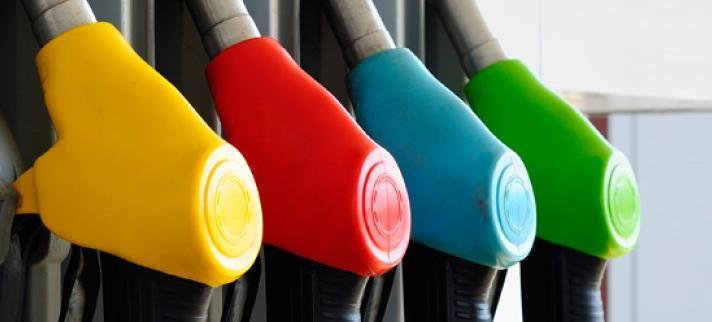
The gas pump can feel like a guessing game sometimes, especially when you're faced with "Regular," "Mid-Grade," and "Premium" options. Is splurging on the most expensive fuel really worth it? For many drivers, the answer is a resounding no, but for others, it's absolutely essential for their vehicle's health and performance. This isn't just about saving a few bucks; it's about understanding what your car truly needs to run efficiently and avoid costly repairs down the road.
Let's clear the air on premium gas. This isn't a magical elixir that will boost every car's mileage or power. Instead, it's a specific type of fuel designed for specific engines. Figuring out whether it's right for your vehicle depends entirely on its engineering.
Demystifying Octane: What Fuel Grades Really Mean for Your Car
Gasoline isn't just "gas." It's categorized by an octane rating, which indicates its resistance to "knocking" or "pinging" – a premature ignition of the fuel-air mixture in your engine. Essentially, higher octane fuel can withstand more compression before igniting, making it ideal for high-performance engines.
"Regular" gasoline typically comes in at 87 octane, perfectly suited for the vast majority of standard engines on the road. "Mid-grade" or "Plus" steps up to 89+ octane, often recommended for vehicles with moderate power outputs, like many turbocharged engines in entry-level luxury cars or SUVs. Then there's "Premium," usually boasting 91-94 octane, specifically formulated for high-compression, high-performance engines found in sports cars and certain larger six or eight-cylinder trucks. To truly get a handle on what these numbers mean for your engine, you'll want to Understand Fuel Grades & Octane Learn.
Pinpointing Your Car's Fuel Needs: Don't Guess, Know!
So, how do you know which fuel is right for your vehicle? The definitive answer is always found in your car's owner's manual. You can also often spot a sticker or label near the gas cap that specifies the recommended octane. If you're still unsure, a quick online search for your car's make, model, and year can provide clarity. Owners of older classic cars might even find valuable advice through car clubs.
It's crucial to identify your vehicle's requirements because the recommendations aren't just suggestions; they're critical for optimal performance and longevity. You might be surprised to learn Which engines need premium fuel and which ones absolutely don't benefit. For instance, while high-octane heroes include sports cars like the Toyota GR Supra, Nissan Z, BMW M4, Ford Mustang GT, Chevrolet Corvette, and some 2024 Mini Cooper Convertibles, many other popular models like the Honda Civic run perfectly fine on regular. Even many Plug-in Hybrid Electric Vehicles (PHEVs) such as the Ford Escape PHEV, Hyundai Tucson PHEV, and Toyota RAV4 Prime are generally designed for regular-grade gas.
The Truth About Premium Gas: Performance, Health, and Common Myths
The allure of premium gas often comes with misconceptions. Let's separate fact from fiction regarding its supposed benefits.
When Premium Does Pay Off (High-Performance Engines)
For vehicles requiring premium fuel, using it is non-negotiable for optimal mechanical performance. These engines are designed with high compression ratios, and lower octane fuel will pre-ignite under pressure, leading to "engine knocking." This knocking isn't just a bad sound; it's a sign that your engine isn't running smoothly, leading to poorer power output and a negative driving experience. Consistently ignoring the recommendation can lead to expensive engine repairs and potential long-term damage, which could ultimately decrease your vehicle's value. In these specific cases, asking Is premium gas worth it will always yield a "yes."
When Premium is a Waste of Money (Standard Engines)
If your owner's manual specifies regular 87-octane gas, putting premium fuel in your tank offers absolutely no benefit. You won't see improved performance, better fuel economy, or increased engine longevity. Modern vehicles have sophisticated electronics that can adjust to different gasoline grades to a certain extent, meaning occasional mixing of premium and regular won't cause immediate damage. However, for a car designed for regular gas, consistently using premium simply adds to the station's profits, not your car's health. Furthermore, common myths like premium gas lasting longer or offering superior cleaning benefits are untrue; fuel system cleaning benefits are consistent across all gasoline grades.
The Real-World Cost: Is the Premium Price Justified?
Let's talk dollars and cents. Nationally, regular gasoline averaged $3.07 per gallon, while premium checked in at $3.90 per gallon. That's an $0.83 difference per gallon. For a typical 15-gallon tank fill-up, that translates to a $12.45 difference. Over the course of a year, filling up once a week, you could be spending an extra $647.40 annually for no benefit if your car doesn't require premium.
This substantial difference highlights why understanding your car's fuel needs is so critical. If your vehicle truly demands premium fuel, then the added cost is part of its operating expense and essential for its health. However, if it doesn't, that money is better kept in your wallet. A deeper dive into this financial aspect can be found in our Cost Analysis: Is the Premium.
The Hidden Dangers: What Happens When You Use the Wrong Fuel?
Using the incorrect fuel grade isn't always just about wasting money; it can have tangible, negative consequences for your vehicle.
Under-Octaning: The Risk of Engine Knocking and Damage
For vehicles that explicitly require premium gas (e.g., high-performance sports cars, certain turbocharged engines), consistently using lower octane fuel can lead to severe issues. This includes the aforementioned "engine knocking" that can reduce power, create a less enjoyable driving experience, and potentially cause expensive engine repairs or long-term damage that devalues your car. Similarly, if your vehicle requires mid-grade (89+ octane) and you continuously opt for regular gas, you might experience mechanical issues, reduced fuel efficiency, and a noticeable drop in performance. The engine's computer might try to compensate, but it's working harder and less efficiently than intended.
Over-Octaning: The Harmless, Yet Costly Mistake
Conversely, putting premium fuel into a vehicle designed for regular gas is generally harmless to the engine. Modern vehicles' electronics can adjust. However, it's simply a waste of money, providing no performance, efficiency, or longevity benefits. Think of it as buying a gourmet meal for someone who only eats plain pasta – it tastes the same to them, but you paid significantly more. To fully grasp the spectrum of these issues, explore our guide on the Consequences of Wrong Fuel Grade.
Choosing the right fuel for your vehicle isn't a complex mystery, but a straightforward decision rooted in understanding your car's design. By taking a moment to consult your owner's manual or check your gas cap, you can ensure your vehicle runs optimally, avoid unnecessary expenses, and protect its long-term health. Drive smart, not just expensive.